Automated Guided Vehicles
WDX GROUP
Autonomous AGV Transport Systems

Didn’t find what you were looking for? Browse our blog or contact our team of intralogistics and robotics experts.






Key advantages of AGV vehicles
One of the key advantages of AGV vehicles is their ability to increase operational efficiency. Automating internal transport allows companies to reduce the time required to move loads, resulting in faster order fulfillment and higher warehouse throughput. AGV vehicles can operate continuously without breaks, eliminating downtime associated with employee rest periods.
- AGV vehicles stand out thanks to advanced sensors and navigation systems that minimize the risk of collisions and accidents. This is particularly important in high-traffic environments. Transport automation also reduces human errors, further enhancing safety levels.
- Although the initial implementation costs may seem high, the long-term savings resulting from reduced labor costs and increased efficiency are significant. AGV vehicles enable better use of resources, leading to lower operating costs.
Applications of AGV vehicles across various industries
AGV vehicles, or Automated Guided Vehicles, are widely used across many sectors—from logistics and industry to healthcare. Their versatility and ability to automate transport processes make them invaluable support tools for modern enterprises. Let’s take a closer look at how these innovative machines are used in different industries.
AGV Vehicles in warehouse logistics
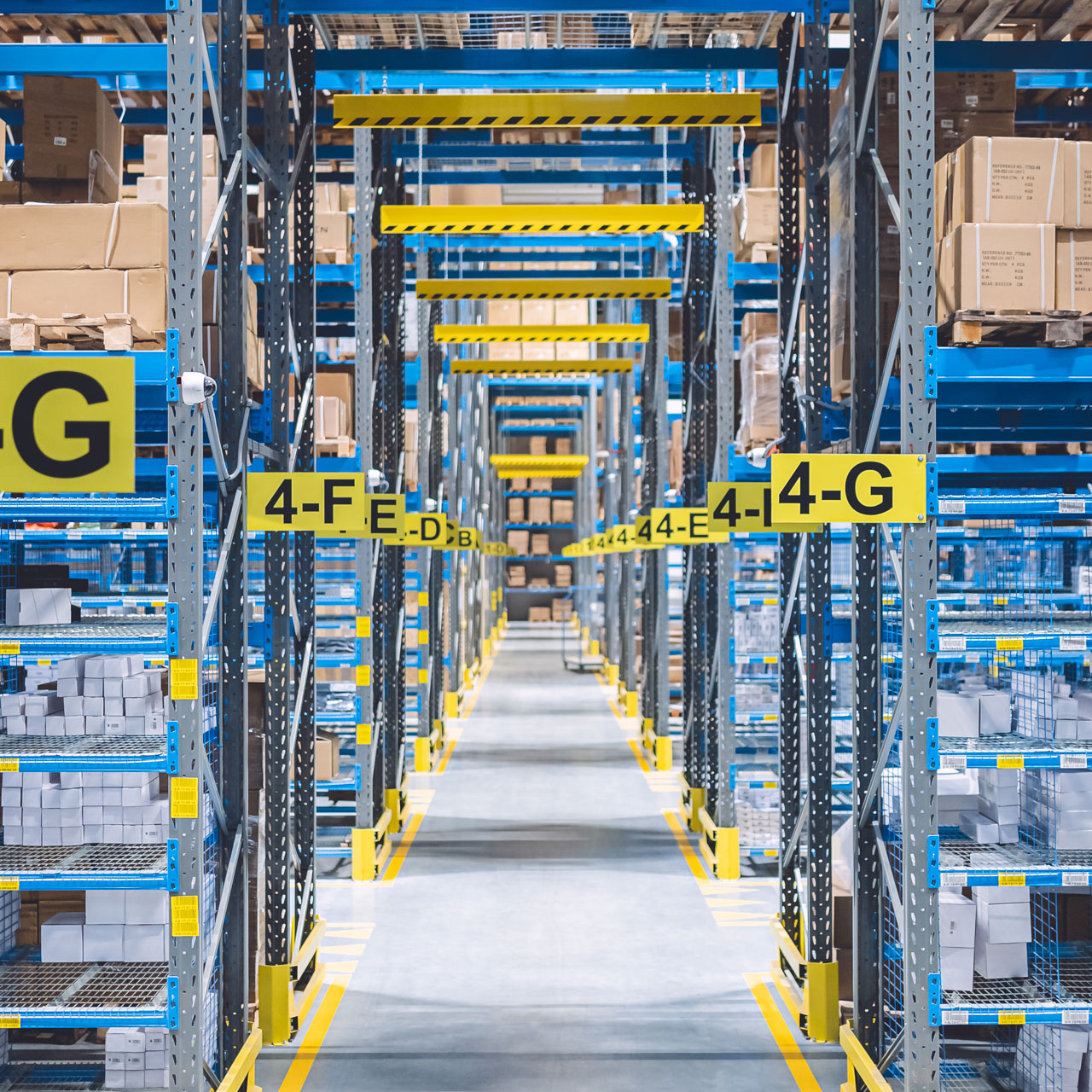
In warehouse logistics, AGV vehicles play a key role in automating processes such as:
- unloading goods,
- supporting storage operations,
- transporting loads within the warehouse.
Thanks to AGVs, warehouses can operate much more efficiently by eliminating the need for manual handling of goods. AGV vehicles increase productivity and minimize the risk of errors, which is especially important in a constantly changing warehouse environment.
AGV vehicles in the automotive industry
In the automotive industry, AGV vehicles are indispensable for transporting components such as:
- engine parts,
- automotive electronics,
- other assembly parts.
Automating transport enables precise and fast delivery of parts to production lines, which is crucial for maintaining continuous production.
AGV vehicles in the food industry
In the food industry, AGV vehicles are used to transport materials such as:
- loading food products into sterilizers,
- moving raw materials and semi-finished products,
- transporting finished products to warehouses.
Automating these processes not only increases efficiency but also enhances safety and hygiene, which is crucial in food processing.